A builder warranty is a guarantee from the builder covering defects in workmanship, materials, and structural integrity for a defined period after construction. Understanding builder warranties is non-negotiable for any homebuyer or contractor who wants real protection, not just paperwork. The industry standard is the 1-2-10 tiered structure, covering workmanship for one year, mechanical systems for two years, and structural defects for up to ten years. Organisations such as the NHBC in the UK, 2-10 HBW in the US, and the Federal Trade Commission set the benchmarks that most builder warranty programmes follow. Knowing how builder warranties work before you sign protects you from costly surprises after you move in.
How builder warranties work: coverage tiers explained
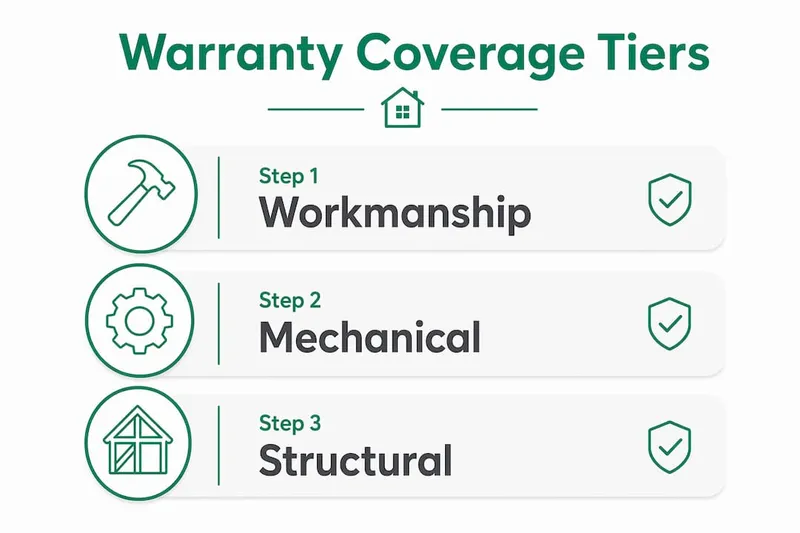
Builder warranty coverage is divided into three distinct tiers, each protecting a different category of construction quality over a different timeframe.
| Coverage tier | Duration | What it typically covers |
|---|---|---|
| Workmanship and materials | 1 year | Poor finishing, defective materials, installation errors |
| Major mechanical systems | 2 years | Plumbing, electrical wiring, heating and ventilation |
| Structural defects | Up to 10 years | Foundation, load-bearing walls, roof framing |
The one-year tier covers the most visible problems. Cracked plasterwork, ill-fitting doors, and faulty tiling all fall here. This is the period when most defects surface, so a thorough final walkthrough checklist before handover is your first line of defence.
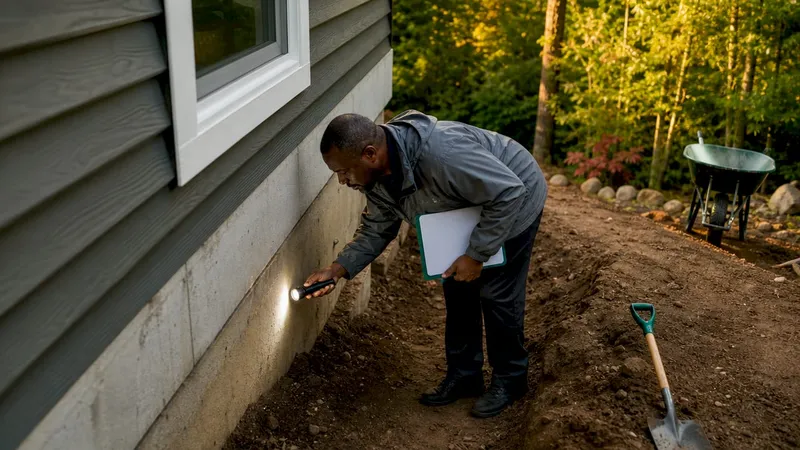
The two-year tier targets major mechanical systems. Plumbing leaks, electrical faults, and HVAC failures that develop within two years of completion are the builder's responsibility to fix. These faults are often latent, meaning they are not visible at handover but emerge through normal use.
The ten-year structural tier is the most significant in financial terms. Structural defects such as foundation movement, load-bearing wall failure, and roof structure collapse are covered for a decade. These are the failures that can make a home uninhabitable, so this tier carries the greatest long-term value.
What builder warranties do not cover
Standard exclusions apply across virtually all builder warranty contracts. You will not receive coverage for:
- Normal wear and tear on surfaces, fixtures, and fittings
- Cosmetic issues such as paint fading or minor shrinkage cracks
- Household appliances, even if supplied by the builder
- Damage caused by the homeowner's own modifications or neglect
- Acts of nature, including flooding and subsidence from external causes
Builder warranties cover construction defects, not the gradual deterioration that comes with everyday living. Third-party home warranties, by contrast, are designed specifically to cover appliance wear and tear. Homebuyers often confuse the two, which leads to rejected claims and frustration.
How does the builder warranty claims process work?
The builder warranty claims process follows a defined sequence. Missing any step can void your coverage entirely.
- Identify and document the defect. Photograph the issue and note the date it was first observed. Written records are essential from the outset.
- Submit written notice to the builder. Verbal complaints carry no legal weight. Send your notice by recorded post or email with a read receipt, and keep a copy.
- Allow the builder to inspect. Builders typically have 5–30 business days to respond, depending on defect severity. Refusing access to the property can invalidate your claim.
- Agree on a repair timeline. Once the defect is confirmed, the builder schedules the repair. Get the agreed timeline in writing.
- Confirm the repair in writing. After work is completed, document that the defect has been resolved and retain all correspondence.
Strict compliance with notice procedures is critical. Homebuyers who make unauthorised repairs before the builder inspects the defect routinely lose their right to a warranty claim. That means paying out of pocket for a problem the builder was contractually obliged to fix.
Transferring a warranty when you sell
Warranty transferability matters if you sell your home within the coverage period. Warranties on homes less than ten years old may be transferable to the new owner, but formal registration is usually required and fees may apply. Failure to register the transfer complicates claims for the new owner, though it does not always void coverage outright. If you are buying a resale property less than ten years old, ask the seller for the original warranty documents and confirm the transfer status before exchange.
Pro Tip: Keep a dedicated folder, physical or digital, containing every piece of warranty correspondence, inspection report, and repair confirmation. If a dispute arises, this folder is your evidence.
What misconceptions and pitfalls should you avoid?
Builder warranties carry several contractual limitations that catch homebuyers off guard. Understanding these before you sign is far more useful than discovering them during a dispute.
Many buyers mistakenly believe a builder warranty covers everything. Standard contracts include binding arbitration clauses that limit your right to pursue disputes through the courts. Arbitration is faster and cheaper for builders, but it restricts your options as a homeowner.
A second major risk is builder insolvency. Builder-backed warranties depend on the builder's financial health. If the builder goes out of business, a warranty backed solely by that builder becomes worthless. Third-party insured warranties, such as those provided by 2-10 HBW or the NHBC's Buildmark policy, remain valid independently of the builder's financial status. Always confirm whether your warranty is builder-backed or third-party insured before you exchange contracts.
Express warranties spell out exactly what is covered, but implied warranties still offer protection. Common law in England and Wales implies that a builder must construct a home in a workmanlike manner using proper materials. These implied rights can act as a backstop when express warranty claims fail.
The distinction between express and implied warranties is one that many homebuyers overlook entirely. Express warranties are the written terms in your contract. Implied warranties arise automatically from law and apply even if the builder's written warranty is silent on a particular defect.
- Confirm whether your warranty is builder-backed or third-party insured
- Read every exclusion clause before signing, not after a problem arises
- Check for binding arbitration clauses and understand what they restrict
- Verify that the warranty covers the specific components most relevant to your build type
- Seek independent legal advice if any clause is unclear
Pro Tip: Before signing any warranty document, have a solicitor review the arbitration clause and exclusion list. An hour of legal advice costs far less than a disputed claim.
How to maximise your builder warranty protection
Active management of your warranty period produces significantly better outcomes than a passive approach. Builders respond more promptly to organised homebuyers who document everything correctly.
Practical steps to protect your coverage:
- Schedule a pre-expiry inspection. Book a professional inspection in month ten of year one, before the workmanship warranty closes. This gives you time to submit claims before the deadline.
- Keep a defect log. Record every issue, however minor, with dates and photographs. Patterns in the log can reveal systemic problems that qualify for structural claims later.
- Communicate in writing. All contact with the builder regarding defects should be written. Guidance on effective contractor communication helps you frame requests clearly and maintain a paper trail.
- Track warranty deadlines. Mark the end dates of each coverage tier in your calendar. Missing a deadline means losing the right to claim, regardless of how valid the defect is.
- Document any modifications. If you alter the property during the warranty period, record exactly what was changed and when. Undocumented modifications give builders grounds to reject claims. The House A-Z guide on managing construction modifications explains how to handle this correctly.
Builder warranties should be a first layer of protection, with implied warranties acting as a backstop for latent defects or gaps in the express warranty. Treating your warranty as the only protection you have is the single most common mistake homebuyers make.
Key takeaways
Builder warranty protection depends on understanding coverage tiers, following the claims process precisely, and actively managing deadlines throughout the warranty period.
| Point | Details |
|---|---|
| Tiered coverage structure | The 1-2-10 model covers workmanship, mechanical systems, and structural defects across three distinct periods. |
| Claims process compliance | Submit written notice and allow builder inspection before any repairs, or risk voiding your claim. |
| Third-party insurance matters | Builder-backed warranties fail if the builder becomes insolvent; third-party insured policies remain valid. |
| Express vs implied warranties | Implied warranty rights under common law provide additional protection beyond what the written contract states. |
| Active management wins | Pre-expiry inspections and a defect log significantly improve your chances of a successful claim. |
What I have learned from watching homebuyers navigate warranties
Most homebuyers treat the warranty document as a formality, something to file away and forget. That approach costs them. The homebuyers who get the best outcomes are the ones who treat the warranty period as an active phase of ownership, not a passive safety net.
The detail that surprises people most is the arbitration clause. You sign a contract that appears to give you strong rights, then discover that any dispute must go through arbitration rather than the courts. That is not a minor technicality. It fundamentally changes your negotiating position if the builder is uncooperative.
Builder insolvency is the other risk that rarely gets discussed until it is too late. A builder-backed warranty from a small regional developer offers far less security than an NHBC Buildmark policy or a 2-10 HBW plan. The difference only becomes apparent when the builder stops trading. By then, your options are limited.
My honest view is that the warranty document deserves the same attention as the purchase contract itself. Read every exclusion. Confirm the insurance structure. Get legal advice on the arbitration clause. The warranty period is finite, and the decisions you make in the first twelve months set the tone for everything that follows.
— Azai
Planning your build with the right support from the start
Warranty awareness is one part of a much larger picture when you are managing a new build or renovation. Knowing your coverage is valuable, but avoiding the defects that trigger claims in the first place is even better.

House A-Z is built for homebuyers and contractors who want clarity at every stage of a project. The platform brings budget tracking, project management, and design planning into one place, with AI-driven insights that flag potential problems before they become expensive ones. Users have reported saving as much as €20,000 by catching errors early. Whether you are preparing for handover or tracking warranty deadlines, House A-Z gives you the tools and structure to stay on top of every detail. You can also connect with experienced building agents through the House A-Z agents directory for guidance specific to your project.
FAQ
What is a builder warranty?
A builder warranty is a written guarantee from the builder covering defects in workmanship, materials, and structural elements for a set period after construction is complete. The standard structure covers one year for workmanship, two years for mechanical systems, and up to ten years for structural defects.
How long do builder warranties last?
Builder warranties typically last up to ten years for structural defects, following the 1-2-10 tiered model. Workmanship coverage ends after one year and mechanical system coverage after two years.
What does a builder warranty not cover?
Builder warranties exclude normal wear and tear, cosmetic issues, household appliances, and damage caused by the homeowner's own modifications or neglect. They cover construction defects only, not the gradual deterioration of materials over time.
Can a builder warranty be transferred to a new owner?
Warranties on homes less than ten years old are often transferable, but formal registration is usually required. Failure to register the transfer can complicate future claims, so buyers of resale properties should request warranty documents before exchange.
What happens if my builder goes out of business?
If your warranty is builder-backed and the builder becomes insolvent, your coverage may be lost entirely. Third-party insured warranties from organisations such as the NHBC or 2-10 HBW remain valid regardless of the builder's financial status.