Hidden costs in renovations are unexpected expenses that surface after work begins, typically driven by structural discoveries, code compliance requirements, permit fees, and unplanned scope changes. The industry term for these is "cost overruns," and they are far more common than most homeowners expect. Average renovations exceed budget by 10–20%, with kitchen and bathroom remodels frequently running 15–25% over. Understanding how hidden costs emerge in renovations before you sign a contract is the single most effective step you can take to protect your budget.
How do hidden costs emerge in renovations?
Renovation overruns rarely come from one large surprise. They accumulate from several smaller sources, each of which is predictable once you know where to look.
Structural discoveries after demolition begins

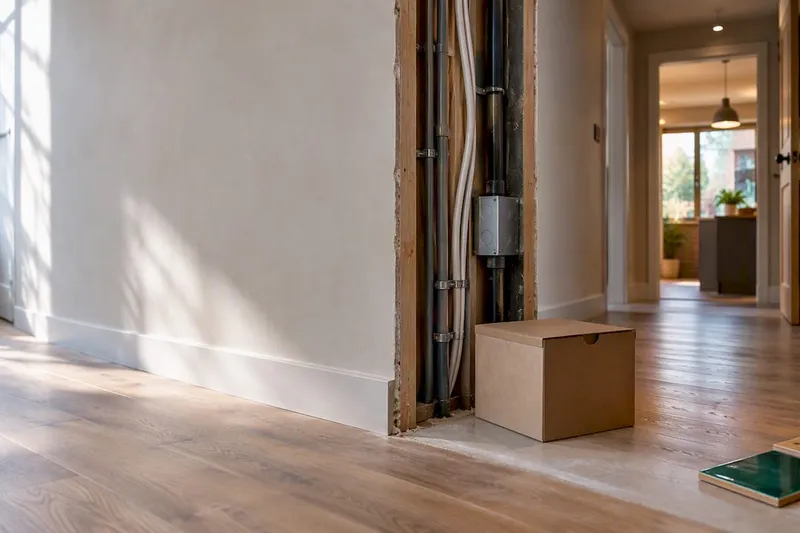
The most common source of unexpected renovation expenses is what contractors find inside your walls, floors, and ceilings. Rot, mould, outdated knob-and-tube wiring, lead pipes, and inadequate structural framing are all invisible until demolition starts. These are not contractor errors. They are inherited conditions from previous unpermitted or ageing construction, and building inspectors require them to be brought up to current code before work can continue. You cannot negotiate around them.
Permit fees and municipal inspections
Many initial contractor quotes omit permit and inspection fees entirely. These fees range from £200 to £3,000 depending on project complexity, and they are mandatory for most structural, electrical, and plumbing work. Skipping permits to save money creates far larger problems at resale, when insurers investigate claims, or when you eventually sell.
Code upgrades triggered by inspections
When a building inspector visits your site, they are legally required to flag any deficiency they observe, not just the work being inspected. Replacing a bathroom vanity can trigger a requirement to upgrade the entire electrical circuit to current standards. Mandatory code upgrades follow predictable patterns based on your home's age and the scope of work you are undertaking. Older homes carry higher risk.
Scope creep and "while-you're-at-it" additions
Homeowner-driven changes are a leading cause of renovation budget surprises. Once walls are open, it is tempting to add recessed lighting, move a doorway, or upgrade to a larger window. These small cumulative additions can add 8–15% to the total project cost. That figure compounds quickly on a £50,000 renovation.
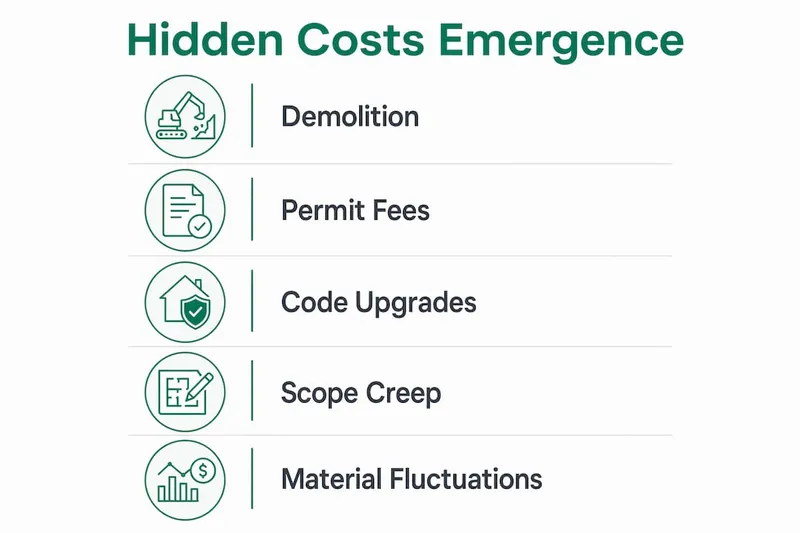
Material price fluctuations and contract ambiguity
Fixed-price quotes are not always truly fixed. Material price escalation clauses are now common in contracts, allowing contractors to pass on market price increases for timber, steel, and fittings. Many homeowners sign contracts without reading these clauses carefully.
Pro Tip: Ask your contractor to itemise permit fees, inspection costs, and any material escalation clauses as separate line items before you sign. What is not written down is not protected.
What are typical examples of hidden costs and how much do they add?
The financial impact of renovation surprises varies significantly by project type and home age. The table below shows the most common categories and their typical cost ranges.
| Cost category | Typical range | Notes |
|---|---|---|
| Permit and inspection fees | £200–£3,000 | Varies by project scope and local authority |
| Structural repairs (rot, framing) | £500–£8,000+ | Higher in homes over 30 years old |
| Electrical or plumbing upgrades | £800–£5,000 | Often triggered by code compliance |
| Post-construction cleaning | £200–£500 | Air duct cleaning adds £300–£500 separately |
| Appliance installation and haul-away | £100–£300 per unit | Rarely included in contractor quotes |
Kitchen and bathroom remodels are the highest-risk categories. A kitchen renovation budgeted at £20,000 can require an additional £1,800 to £12,500 in contingency, while whole-home renovations may need £4,000 to £20,000+ set aside for unforeseen costs.
"A contingency fund should exclusively cover unforeseen structural and regulatory surprises, not homeowner design changes or upgrades. Separating the design budget from the contingency fund is critical to avoid financial vulnerability during emergencies." — Northside Remodeling
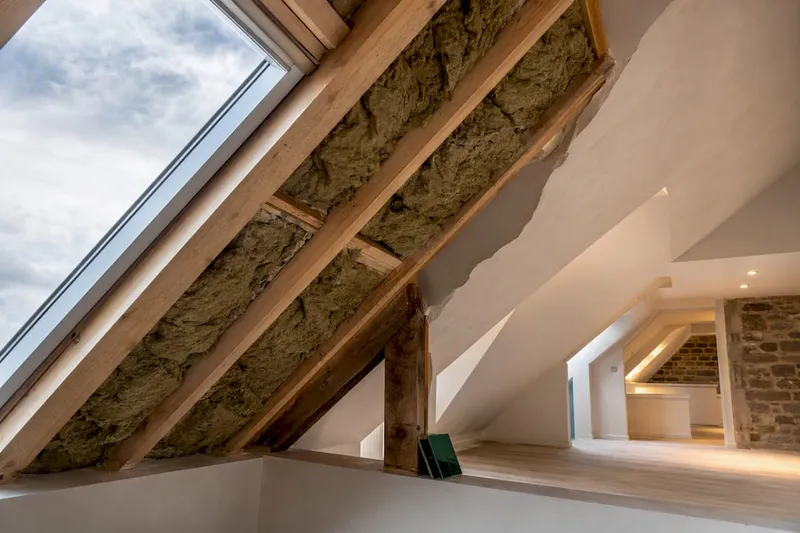
Experts draw a clear distinction between two types of overruns. Unexpected costs arise from genuine discoveries such as hidden rot or failed insulation. Unplanned costs come from vague initial estimates or bid underpricing by contractors. Both hit your wallet equally hard, but they require different responses. The first demands a contingency fund. The second demands a better contract.
A well-managed contingency fund typically ranges from 10% to 25% of the total project budget, scaled by complexity and home age. A new-build extension on a modern home warrants 10%. A full renovation of a Victorian terrace warrants 20–25%.
How can you plan effectively to avoid budget surprises?
Planning is the most reliable defence against renovation cost overruns. The following steps reduce both the frequency and the severity of budget surprises.
Commission a pre-renovation inspection. Hire a structural engineer or building surveyor before finalising your budget. Early exploratory demolition, where small sections of wall or floor are opened to inspect conditions, reduces surprises and premium short-notice pricing that contractors charge when problems emerge mid-project.
Define the scope in writing before work starts. Every item you want included must appear in the contract. Vague descriptions like "renovate kitchen" leave room for disputes. Specify materials, finishes, appliance models, and installation responsibilities line by line.
Separate your contingency fund from your design budget. Keep these as two distinct budget lines. Your contingency covers structural repairs, code compliance, and permit overruns. Your design budget covers tile upgrades, fixture changes, and aesthetic decisions. Mixing them depletes your safety net.
Formalise every change with a written change order. When you decide to add recessed lighting or move a wall mid-project, require a signed change order documenting the cost and timeline impact before work proceeds. Verbal agreements are unenforceable and frequently misremembered.
Get at least two contractor quotes. Significant variation between quotes often signals that one contractor has missed scope items or is underpricing to win the job. A quote that is 30% below others deserves scrutiny, not celebration.
Check your contractor's permit history. Contractors who routinely pull permits and work within code requirements are less likely to create compliance problems that trigger expensive remediation later.
Pro Tip: Ask your contractor directly: "What is the most common surprise you encounter in projects like mine?" Their answer tells you both where to focus your contingency and how experienced they are with your type of renovation.
What soft costs should you budget for beyond construction?
Soft costs are expenses outside of labour and materials that homeowners consistently underestimate. They are real costs that appear on your bank statement regardless of how well the construction phase goes.
- Post-construction cleaning. Construction dust penetrates everywhere. Professional cleaning after a renovation costs £200–£500 for general cleaning, with air duct cleaning adding a further £300–£500. Skipping this step affects air quality and can damage newly installed finishes.
- Appliance installation and haul-away. Retailers and contractors rarely include installation in their base quotes. Budget £100–£300 per appliance for installation, plus separate haul-away fees for old units.
- Temporary living and storage costs. If your kitchen or bathroom is out of service for weeks, takeaway meals, laundry services, and short-term storage for furniture add up quickly. These soft costs can add several thousand pounds to a project that looked affordable on paper.
- Furniture, décor, and window treatments. New flooring makes old furniture look worn. A repainted room exposes dated curtains. These adjacent purchases are not frivolous. They are a predictable consequence of renovation that most budgets ignore entirely.
- Increased utility costs. Running power tools, extra lighting, and heating or cooling an open construction site raises your energy bills during the project period.
Collectively, soft costs can add 5–15% to your total renovation spend. On a £30,000 project, that is £1,500 to £4,500 that never appears in a contractor's quote. Budgeting for hidden charges in home improvement requires accounting for these items from the start, not as an afterthought.
| Soft cost category | Typical range | Often overlooked? |
|---|---|---|
| Post-construction cleaning | £200–£500 | Yes |
| Air duct cleaning | £300–£500 | Yes |
| Appliance installation | £100–£300 per unit | Frequently |
| Temporary living expenses | £500–£3,000+ | Almost always |
| Furniture and window treatments | £300–£2,000+ | Almost always |
Key takeaways
Renovation cost overruns are predictable and manageable when you separate structural contingency funds from design budgets and formalise every scope change in writing.
| Point | Details |
|---|---|
| Structural surprises are the top driver | Rot, outdated wiring, and failed plumbing are the most common sources of unplanned renovation costs. |
| Contingency funds need a clear purpose | Keep contingency strictly for structural and regulatory surprises, separate from your design upgrade budget. |
| Scope creep compounds quickly | Small additions during a project can add 8–15% to the total cost if not controlled with formal change orders. |
| Soft costs are consistently underestimated | Post-construction cleaning, appliance installation, and temporary living expenses can add 5–15% beyond construction costs. |
| Early inspections reduce premium costs | A pre-renovation structural survey reduces both the frequency and the short-notice pricing of mid-project surprises. |
What I have learned about renovation budgets after years of watching them fail
The most common mistake I see homeowners make is treating the contingency fund as a design upgrade reserve. They set aside 15% for surprises, then spend half of it on a better worktop or a larger shower enclosure because the money is "sitting there." When the structural issue arrives, as it almost always does in homes over 20 years old, there is nothing left.
The second pattern I observe is underestimating scope creep. Homeowners genuinely believe they will not change their minds once work starts. They always do. Open walls reveal possibilities. Contractors suggest improvements. Partners disagree on finishes. Every one of those conversations has a cost attached to it, and none of them appear in the original quote.
What actually works is transparent, ongoing communication with your contractor from day one. Agree on a weekly check-in. Review costs against budget at each meeting. When a change is proposed, price it immediately rather than deferring the conversation. The homeowners who finish renovations on budget are not the ones who had no surprises. They are the ones who caught surprises early and made decisions quickly.
Older homes carry the highest risk of unexpected renovation expenses. If you are renovating a property built before 1980, treat 20% contingency as a minimum, not a maximum. The building will find ways to spend it.
— Azai
FAQ
What is the average renovation cost overrun?
The average home renovation exceeds its budget by 10–20%, with kitchen and bathroom projects frequently running 15–25% over. Whole-home renovations can require £4,000 to £20,000+ in contingency funds.
How much contingency should I set aside for a renovation?
A well-managed contingency fund ranges from 10% to 25% of the total project budget. Older homes and more complex projects warrant the higher end of that range.
Why do permit fees appear as a hidden cost?
Many contractor quotes omit permit and inspection fees, which range from £200 to £3,000 depending on project scope. Always ask your contractor to list these as separate line items before signing.
What is the difference between unexpected and unplanned renovation costs?
Unexpected costs arise from genuine structural discoveries such as rot or failed wiring. Unplanned costs come from vague initial estimates or bid underpricing. Both require different responses: contingency funds address the first, and tighter contracts address the second.
Can soft costs really add that much to a renovation budget?
Yes. Post-construction cleaning, appliance installation, temporary living expenses, and furniture replacements can collectively add 5–15% to your total renovation spend, none of which typically appears in a contractor's quote.