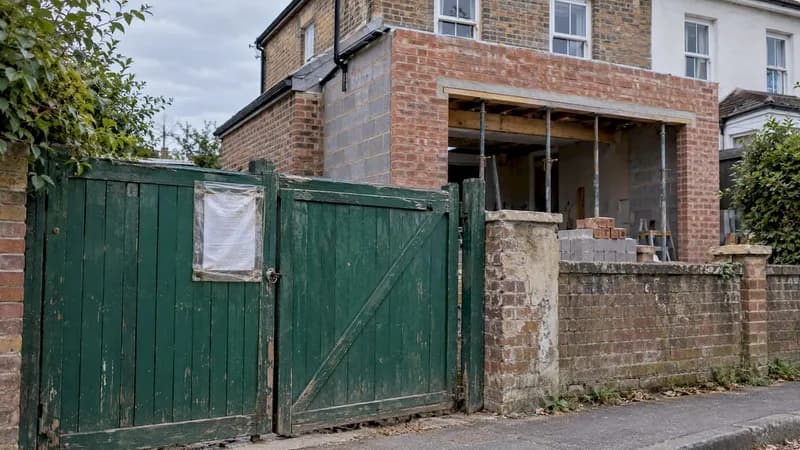
Yes, most building permits can be extended if you act before they expire: file a written request with evidence of justifiable cause. The model code default is 180 days of inactivity before a permit lapses, though many local authorities set their own windows. File early, document your reasons, and lean on inspection records as proof the project is alive. Once a permit has actually expired, you may face reinstatement fees or a fresh application under current codes.
TL;DR:
- Local rules differ: Seattle permits typically last 18 months, Miami grants 180 days per extension, and Philadelphia permits two extensions of up to six months.
- A passed inspection creates stronger continuity evidence than stored materials or unverified photos and may reset the inactivity clock more reliably than written explanations.
- Submit about a month before expiry with a factual delay chronology, dated supporting records, and a realistic completion date tied to unfinished work.
- After expiry, ask immediately about reinstatement; Seattle may allow it within roughly one year under conditions, while later applications can require plans meeting current codes.
Table of Contents
- Quick checklist: immediate actions to protect your permit
- Step-by-step: how to prepare and submit a permit extension request
- Keep your permit active: inspection booking and record-keeping tactics
- If your permit has expired: reinstatement, reapplication and practical next steps
- Fees and timeline examples: IBC default and municipal rules to check now
- How House A-Z helps you avoid expiry and speed a strong extension request
- A few habits that keep permit stress away
- Try House A-Z to track permits and prepare extension bundles
- FAQ
- Sources
Quick checklist: immediate actions to protect your permit
Before the paperwork, run through a short list that protects your timeline and your budget. Most denied extensions trace back to one missed step rather than a genuinely unreasonable delay.
- Confirm your exact expiry date and the earliest date your portal allows an extension request.
- Book an inspection now; a passed inspection often resets the inactivity clock.
- Gather your permit number, drawings, inspection history, contractor emails and supplier correspondence.
- Draft a one-page statement of justifiable cause and attach every supporting file.
- Submit the request with payment early, then follow up if you hear nothing within the stated review window.
Treat this as a living list rather than a one-off task. A project that drifts for months tends to accumulate several of these gaps at once, and untangling them later costs more time than ticking them off now.
Step-by-step: how to prepare and submit a permit extension request
Most extension requests follow the same shape regardless of where you are building, even though the forms and portals differ. Here is the sequence that gives you the strongest chance of a quick approval.
- Find the form. Most building departments publish an extension or renewal form on their permitting portal, or hand it across the counter at the permit office. Some portals only display an "Extend" button within a defined pre-expiry window, so check early rather than assuming the option will always be there.
- Write the statement of justifiable cause. Lay it out as a short chronology: what was planned, what happened, what you did to mitigate it, and what the revised schedule looks like now. Officials respond well to a factual narrative rather than a complaint.
- Attach your evidence. Inspection logs, supplier emails about backordered materials, weather records, contractor correspondence, or medical or legal documents all strengthen the case. Incomplete applications are one of the most common reasons extensions get denied, so err on the side of attaching too much rather than too little.
- Choose a realistic extension length. Match your request to local maximums rather than asking for an open-ended extension, and state a specific revised completion date tied to the work still outstanding.
- Submit, pay, and keep the confirmation. Save the reference number or email receipt, then call the department directly if you have not heard back within the stated review time.
Pro Tip: Attach a one-line summary at the top of your evidence pack: cause, mitigation, revised date. Reviewers often skim before they read in full, and a clear summary line speeds their decision.
Weather delays, supplier shortages and contractor scheduling conflicts are the most common causes departments accept, provided you can show you tried to work around them rather than simply waiting. A pattern we see often: builders wait until the week before expiry to start this process, which leaves no room for a portal glitch or a missing signature. Starting the sequence a month out gives you breathing room without rushing the official.
Keep your permit active: inspection booking and record-keeping tactics
Passed inspections are the strongest signal of ongoing work that a building department recognises, so schedule them proactively even when progress feels slow; for detailed UK guidance, see Planning Permission & Building Regulations. Inspection records are typically the primary evidence officials use to track continuity, which means a booked and passed inspection often resets the inactivity clock far more reliably than any written explanation.
What does not reliably count: materials sitting on site, or photos with no inspection tied to them. Officials want a dated, official record, not a snapshot.
- Save digital inspection receipts and stamped plans as soon as they arrive.
- Keep delivery notes and supplier confirmations with dates attached.
- Photograph progress with metadata intact, alongside the inspection that verified it.
- Store contractor messages that reference dates and tasks completed.
If the project has genuinely stalled, ask for a progress inspection or request that an inspector verify the site rather than letting the file go quiet. Our permit inspection checklist walks through what to prepare before an inspector arrives, which helps avoid a failed visit that wastes the opportunity.
If your permit has expired: reinstatement, reapplication and practical next steps
A lapsed permit is not automatically a dead end, but the options narrow quickly. Reinstatement, where a city allows you to revive an expired permit within a set window, is a different process from reapplying from scratch, and the two carry very different costs.
- Reinstatement typically asks for a renewal form, a statement of good-faith pursuit of the work, supporting evidence, and a reinstatement fee.
- Seattle allows reestablishment within roughly one year of expiry under certain conditions, though code compliance checks may apply.
- Outside the reinstatement window, you will likely need to refile plans against current code, which can mean genuine redesign cost and time, not just paperwork.
- If an extension is denied, ask the department for the specific reason and find out whether an appeal body exists, or correct and resubmit.
Proactive filing is almost always faster than reinstatement after the fact, and departments tend to respond better to an early, well-documented request than to one filed in a panic after the deadline has passed.
Fees and timeline examples: IBC default and municipal rules to check now
The International Building Code sets 180 days of inactivity as the default before a permit lapses, but most cities amend that default to suit local workloads. The table below shows how far that can vary in practice.
| Jurisdiction | Typical permit life or extension length | Filing window |
|---|---|---|
| IBC model code default | 180 days of inactivity | Before the 180-day inactivity period lapses |
| Seattle | 18 months typical permit life | Renew before expiry |
| Miami | Extension adds 180 days from previous expiry | File once, before expiry, via iBuild |
| Philadelphia | Up to six months per extension, two extensions maximum | No sooner than three months before expiry |
These figures move depending on where you are building and what type of permit you hold, so treat them as a starting point for comparison rather than your own deadline. Checking your local portal against this spread tells you quickly whether your city runs tighter or looser than the model code default.
A few habits that keep permit stress away
A buffer absorbs the ordinary surprises of a build without ever touching the real deadline.
A weekly brief check works well: next inspection date, outstanding deliveries, contractor availability. Calling your building official early with the facts, rather than an argument, tends to go further than most builders expect.
— Azai
FAQ
How long does a building permit typically last before it expires?
The International Building Code sets a default of 180 days of inactivity before a permit lapses, but many cities set their own life span. Seattle, for example, typically uses an 18-month permit life rather than the shorter model code default.
What counts as justifiable cause for a permit extension?
Justifiable cause usually means a documented delay outside your control, such as weather, supplier shortages or contractor unavailability, backed by dated evidence. Departments generally expect a written narrative connecting the cause to the delay, supported by emails, records or inspection history.
Can I still get an extension if my permit has already expired?
Some cities offer reinstatement within a defined window, which is less costly than starting over, but outside that window you may need to refile under current code. Filing for an extension before expiry is almost always faster and cheaper than reinstatement after the fact.
How much does a permit extension typically cost?
Extension fees vary by jurisdiction and are set locally rather than nationally, so the figure depends entirely on where you are building. Checking your municipal portal before you file is the only reliable way to confirm the fee that applies to your permit.
Do renovation projects face different extension rules than new builds?
Extension length and eligibility often depend on permit type rather than whether the project is new construction or a renovation, and some permit categories are excluded from extensions entirely. Always check your specific permit type against your local rules rather than assuming renovation and new-build permits follow the same path.
Sources
- How to request a building permit extension: justifiable cause
- Request a Permit Extension or Completion - Miami
- Construction permit and permit application extensions - Philadelphia
- Building permit renewals - Seattle