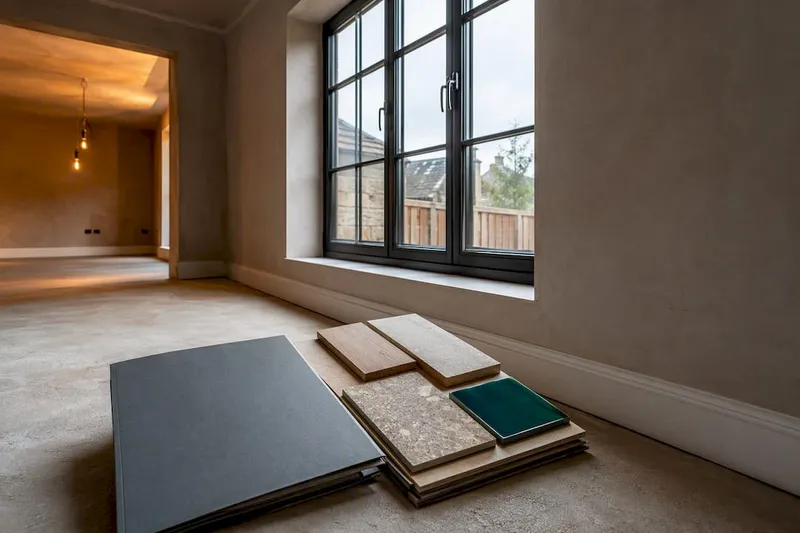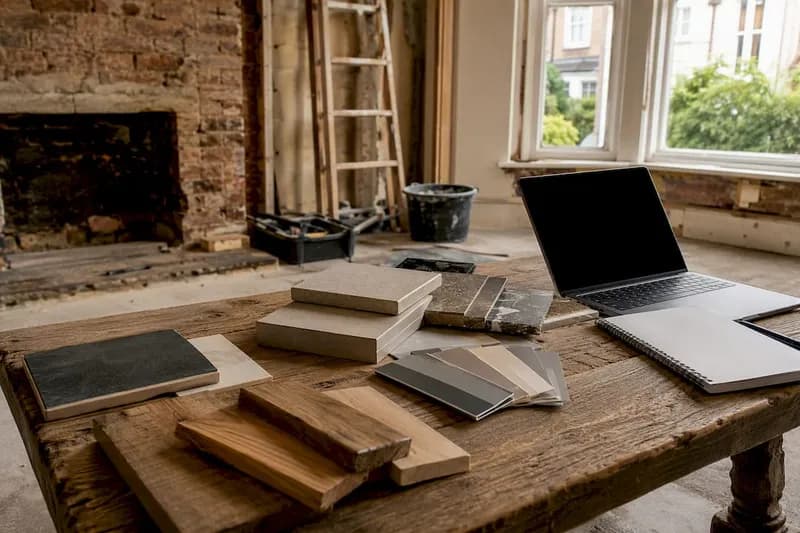
An interior designer is defined as a trained professional who manages the full design process from initial concept through to final installation, combining creative vision, technical knowledge, and project management. The role of an interior designer goes well beyond choosing paint colours or selecting furniture. It covers spatial planning, structural coordination, regulatory compliance, and contractor management. If you are considering a home renovation or new build, understanding what an interior designer actually does will help you make a better hiring decision and protect your budget.
What are the key responsibilities of an interior designer?
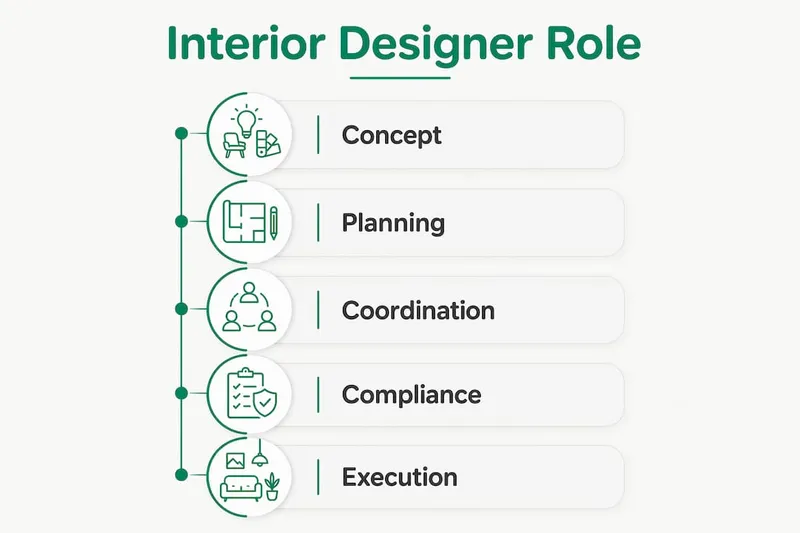
Interior designers manage the entire project lifecycle from concept through to installation, which is the single most important distinction between their role and that of a decorator. Their responsibilities span creative, technical, and logistical domains simultaneously. Here is a breakdown of the core tasks you can expect a qualified designer to handle:
Space planning and conceptual design. The designer analyses your floor plan, assesses how you use each room, and creates a layout that balances flow, function, and aesthetics. This is not guesswork. It involves measured drawings and often 3D modelling software.
Technical drawings and specifications. Designers produce detailed construction documents that contractors use on site. These drawings specify dimensions, materials, finishes, and fixture positions. Without them, contractors make assumptions, and assumptions cost money.
Coordinating with architects, engineers, and contractors. Designers coordinate complex relationships between trades, contractors, and clients to maintain design continuity and reduce project chaos. A single miscommunication between an electrician and a joiner can set a project back by weeks.
Managing budgets and timelines. Design fees typically represent 10–20% of total project costs and provide measurable value through cost avoidance and efficient decision-making. That fee pays for itself when a designer catches a specification error before it becomes a structural problem.
Sourcing materials, furniture, and finishes. Designers have trade accounts with suppliers, which often means better pricing and access to products not available to the general public. They also manage orders and delivery schedules to keep the project moving.
Overseeing installation and quality control. The designer visits site regularly to check that work matches the approved drawings. They identify defects early, before they are covered up by the next trade.
Pro Tip: Engage your designer before you appoint a contractor. The earlier they are involved, the more influence they have over the build sequence, which directly reduces the risk of expensive changes later.
How does an interior designer differ from an interior decorator?

Clients frequently confuse interior designers with decorators, but the two roles are fundamentally different in training, scope, and legal responsibility. Understanding the distinction helps you hire the right professional for your project.
| Factor | Interior designer | Interior decorator |
|---|---|---|
| Training | Degree-level qualification in interior design or architecture | No formal qualification required |
| Scope of work | Spatial planning, structural changes, full project management | Styling, colour schemes, soft furnishings |
| Technical skills | Reads structural drawings, specifies building materials | Works with existing surfaces and finishes |
| Regulatory knowledge | Manages building code and accessibility compliance | No regulatory responsibility |
| Project phase | Involved from concept through to completion | Typically engaged after construction ends |
Interior designers have technical training enabling them to read structural drawings and ensure compliance with building codes and accessibility standards. Decorators do not carry this responsibility. A decorator is the right choice when your space is structurally sound and you simply want to refresh its appearance. A designer is the right choice when you are moving walls, changing layouts, or undertaking a full renovation.
When to hire a designer rather than a decorator:
- You are planning structural changes such as removing walls or adding an extension
- Your project involves electrical, plumbing, or mechanical work
- You need drawings submitted for planning permission or building regulations approval
- You are managing multiple contractors and need a single point of coordination
- Your budget is significant and the cost of errors is high
Why is hiring an interior designer important for renovation projects?
The importance of interior designers becomes clearest when a renovation hits a problem mid-build. Early involvement of an interior designer prevents costly mid-project changes and improves design integrity and the financial health of the project. Catching a layout problem on paper costs nothing. Catching it after the walls are up costs thousands.
"Designers not only advise on aesthetics but also manage orders, timelines, and coordination among multiple contractors, ensuring project efficiency and reducing costly errors." — Etch Interior Design
Designers act as central orchestrators of supply chains and schedules, often saving clients time and avoiding costly errors. This is particularly valuable during a renovation where multiple trades are working in sequence. If the tiler arrives before the plumber has finished, the entire schedule collapses. A designer prevents that by managing the programme from the outset.
Regulatory compliance is another area where designers add direct financial value. Building regulations in the UK cover structural integrity, fire safety, ventilation, and accessibility. A designer who understands these requirements keeps your project legal and avoids the cost of remedial work after an inspection failure. Knowing how to manage construction modifications is a core part of what separates a professional designer from an enthusiastic amateur.
Pro Tip: Ask your designer to produce a written specification document before any contractor quotes your project. This gives every contractor the same information, makes quotes directly comparable, and removes ambiguity from the contract.
How do interior designers work with clients and contractors?
Interior designers serve as strategic partners and project managers, orchestrating collaboration among contractors and suppliers to faithfully execute the design vision. The working relationship follows a clear sequence, though the exact process varies by designer and project scale.
The typical workflow looks like this:
- Initial consultation. The designer meets you to understand your needs, lifestyle, budget, and timeline. They assess the existing space and identify constraints such as structural walls, drainage runs, and ceiling heights.
- Concept development. The designer produces mood boards, spatial layouts, and material palettes for your review. This stage is iterative. You provide feedback and the designer refines the proposal until it reflects your vision accurately.
- Technical documentation. Once the concept is approved, the designer produces detailed drawings and specifications. These documents go to contractors for pricing and are used on site during construction.
- Contractor coordination. The designer manages communication between trades to prevent misunderstandings. They attend site meetings, review progress against the programme, and issue instructions when changes are needed.
- Installation and handover. The designer supervises the final installation of furniture, lighting, and finishes. They conduct a snagging inspection before handover to confirm the completed space matches the approved design.
Successful designers act as the key communication hub on site, preventing misunderstandings between trades such as electricians, plumbers, and painters through clear documentation and oversight. This is the part of the job that clients rarely see but benefit from most directly. Understanding the complete home building timeline helps you appreciate exactly where a designer's input is most critical.
Key takeaways
An interior designer manages the full project lifecycle from spatial planning and technical drawings through to contractor coordination and final installation, making their role far broader than decoration alone.
| Point | Details |
|---|---|
| Full lifecycle management | Designers handle concept, documentation, coordination, and installation, not just styling. |
| Technical expertise | Designers read structural drawings and manage building code compliance, which decorators do not. |
| Early engagement saves money | Involving a designer before construction begins prevents costly mid-project changes. |
| Design fees deliver value | Fees of 10–20% of project cost are offset by cost avoidance and efficient decision-making. |
| Central coordination role | Designers manage all trades and suppliers, reducing miscommunication and schedule failures. |
What I have learned from watching homeowners hire designers too late
The most common mistake I see is homeowners treating an interior designer as a finishing touch rather than a project foundation. They appoint a contractor, agree a build programme, and then bring in a designer to make it look nice. By that point, the structural decisions are locked in, the budget is committed, and the designer's ability to influence outcomes is severely limited.
The technical side of this role is consistently underestimated. A qualified designer reads a structural engineer's drawing the same way a contractor does. They spot conflicts between the MEP layout and the proposed ceiling design before anyone picks up a tool. That kind of early intervention is where the real value sits, not in the fabric samples.
I have also noticed that clients who engage designers early report far less stress during the build. When one person holds the full picture and communicates it clearly to every trade, the project runs more smoothly. The designer becomes the single source of truth on site. Trades know who to call when a question arises, and that clarity alone prevents a significant proportion of the errors that derail renovation budgets.
My advice is straightforward. If your project involves any structural work, any change to the layout, or any coordination between more than two trades, hire a designer before you hire anyone else. The fee is not an additional cost. It is insurance against the far larger costs that come from poor planning.
— Azai
Planning your renovation with the right support
Starting a renovation without a clear plan is one of the most reliable ways to overspend. A qualified interior designer gives you that plan, but you also need the right tools to track budgets, manage timelines, and keep all your project information in one place.

House A-Z is built specifically for homeowners undertaking renovations and new builds. The platform consolidates budget tracking, design suggestions, and project management into a single interface, with AI agents that provide personalised guidance based on your budget, preferences, and timeline. One House A-Z user avoided €20,000 in potential errors by using the platform throughout their build. Whether you are working with a designer or coordinating a project yourself, start your renovation plan with House A-Z to keep every decision organised and every cost visible.
FAQ
What does an interior designer do on a renovation project?
An interior designer manages spatial planning, technical drawings, contractor coordination, material sourcing, and installation oversight from start to finish. Their role covers both the creative and logistical aspects of a project.
Do I need an interior designer or an interior decorator?
Hire an interior designer when your project involves structural changes, multiple trades, or regulatory compliance. Hire a decorator when the space is structurally complete and you want to refresh its appearance only.
When should I bring an interior designer into my project?
Engaging a designer early reduces fix-it costs and maintains project integrity. The ideal time is before you appoint a contractor, so the designer can influence the build sequence and specification from the outset.
How much do interior designer fees typically cost?
Design fees typically represent 10–20% of total project costs. That figure reflects the value designers provide through cost avoidance, efficient decision-making, and contractor management throughout the project.
Can an interior designer help me avoid going over budget?
Yes. Designers prevent project risk through clear communication and documentation, which reduces costly miscommunication between trades. Their early involvement is one of the most effective ways to protect your renovation budget.